Blog: Introduction + the freeze of December 2024
January 1, 2025
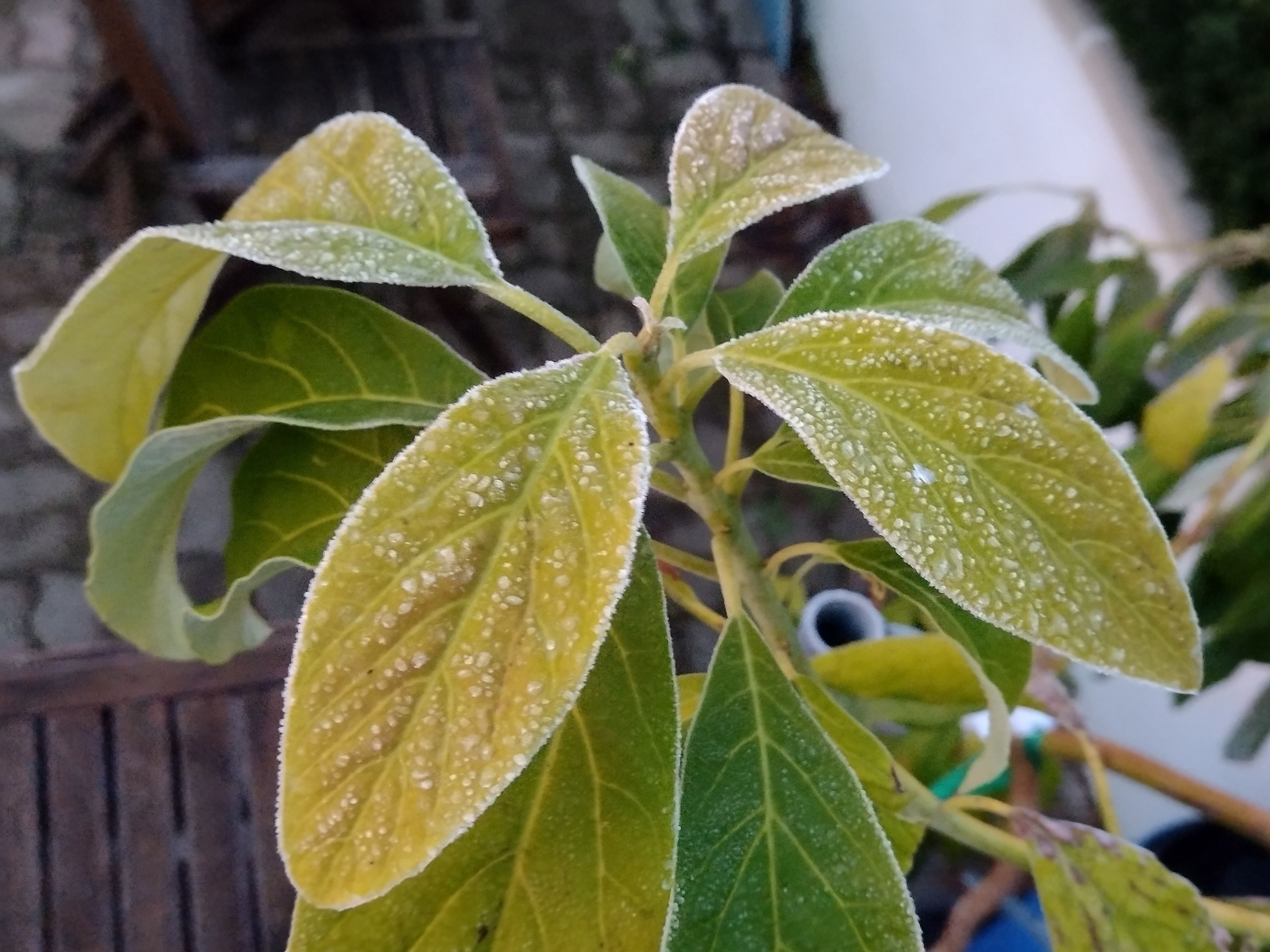
Hi, and welcome!
My name is Vegard — I’m from Norway, but I live in France. If you couldn’t already tell, growing avocado trees from seed is one of my hobbies. I have one tree from September 2020 (planted by my wife), one from October 2023, then about 80 trees planted in 2024.
France has a marginal climate for growing avocado trees outdoors and is just at the boundary of what is feasible. That’s the reason why I’m growing so many trees: I’d like to try to find some that are cold hardy enough to grow here. Avocado trees are subtropical and don’t particularly enjoy frost and freezing temperatures. The main known variety of avocado is the Hass that you typically find in supermarkets, but there are 3 different races and hundreds of named and unnamed varieties. The Mexican race in particular is known to be more cold hardy than the others. They may still not grow well and they may not flower or produce fruit, but I’d still like to try.
The looming threat of climate change may also provide an opportunity here: winters here have been getting steadily warmer for the last 30 years or so, and especially in the last 10 years. That does not mean that I’m cheering on climate change, however. On the contrary, I’m very aware of the dangers of losing wildlife and habitats, not just due to climate change but also the regular expansion of human activities. This is one reason why growing many new individual trees from seed is actually necessary in the long run and the thought of cutting down wild avocado trees (and other species) to plant monocultures horrifies me. I will probably write more on this later, as I feel I have a lot to say on the topic.
In any case, my experiment has only been running for about 6 months so far, and I don’t know how many of my trees will survive the winter — which brings us to the next topic…
The freeze of December 2024
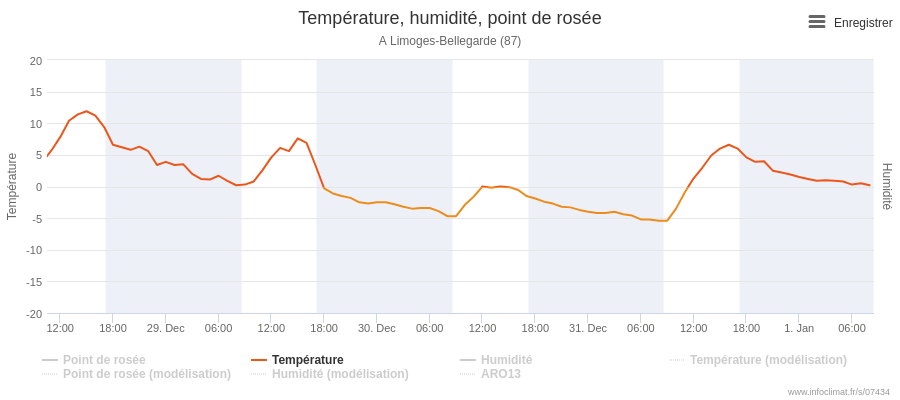
At around 6 PM on December 29, the temperature fell to 0°C and continued falling until it reached -4.7°C. The next day it barely made it above 0°C and the next night it fell even further down to around -6°C. Previous freezes had only gone down to around -2°C, so this was the first major test.
Read more about my winter protections.
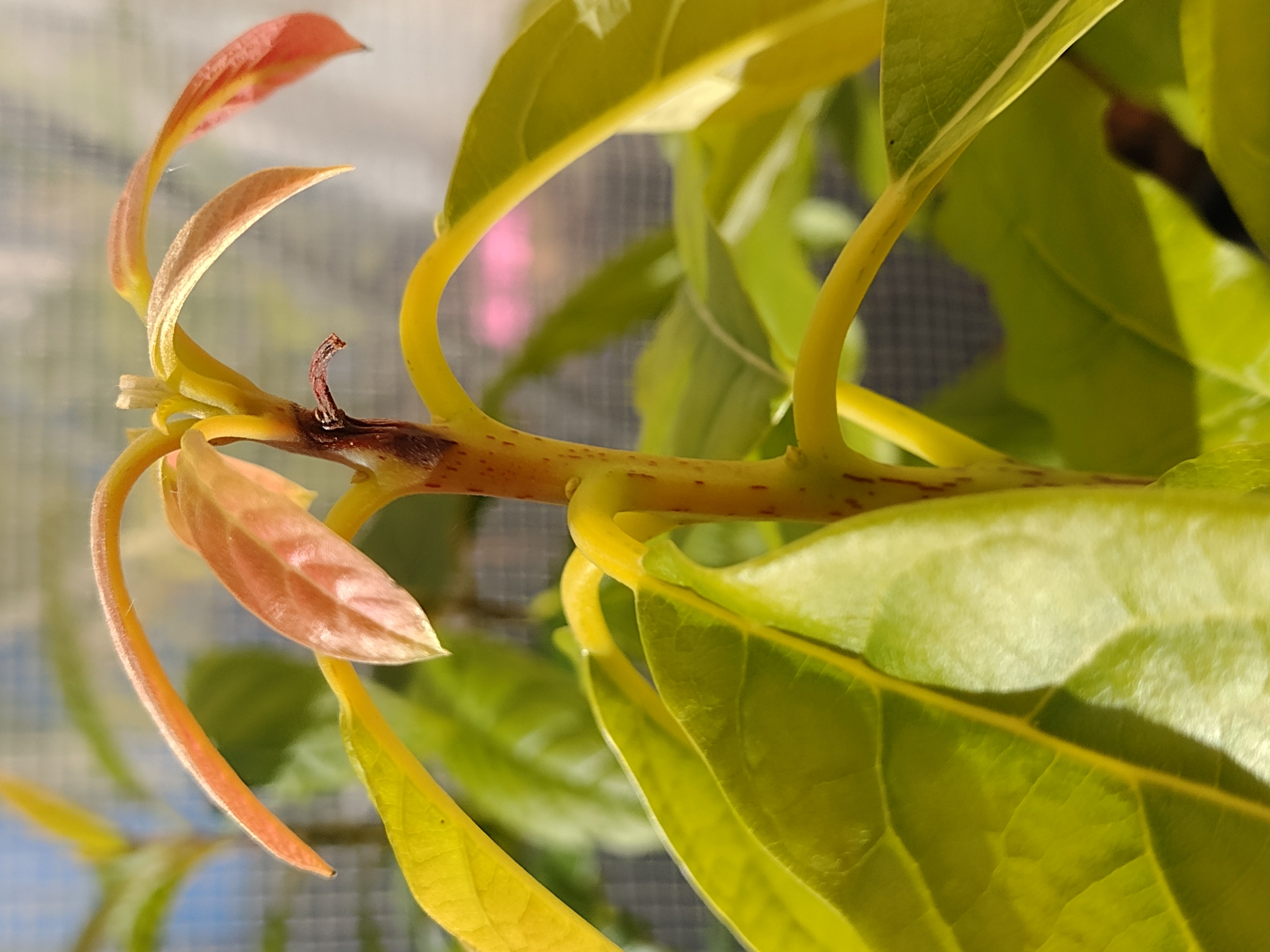
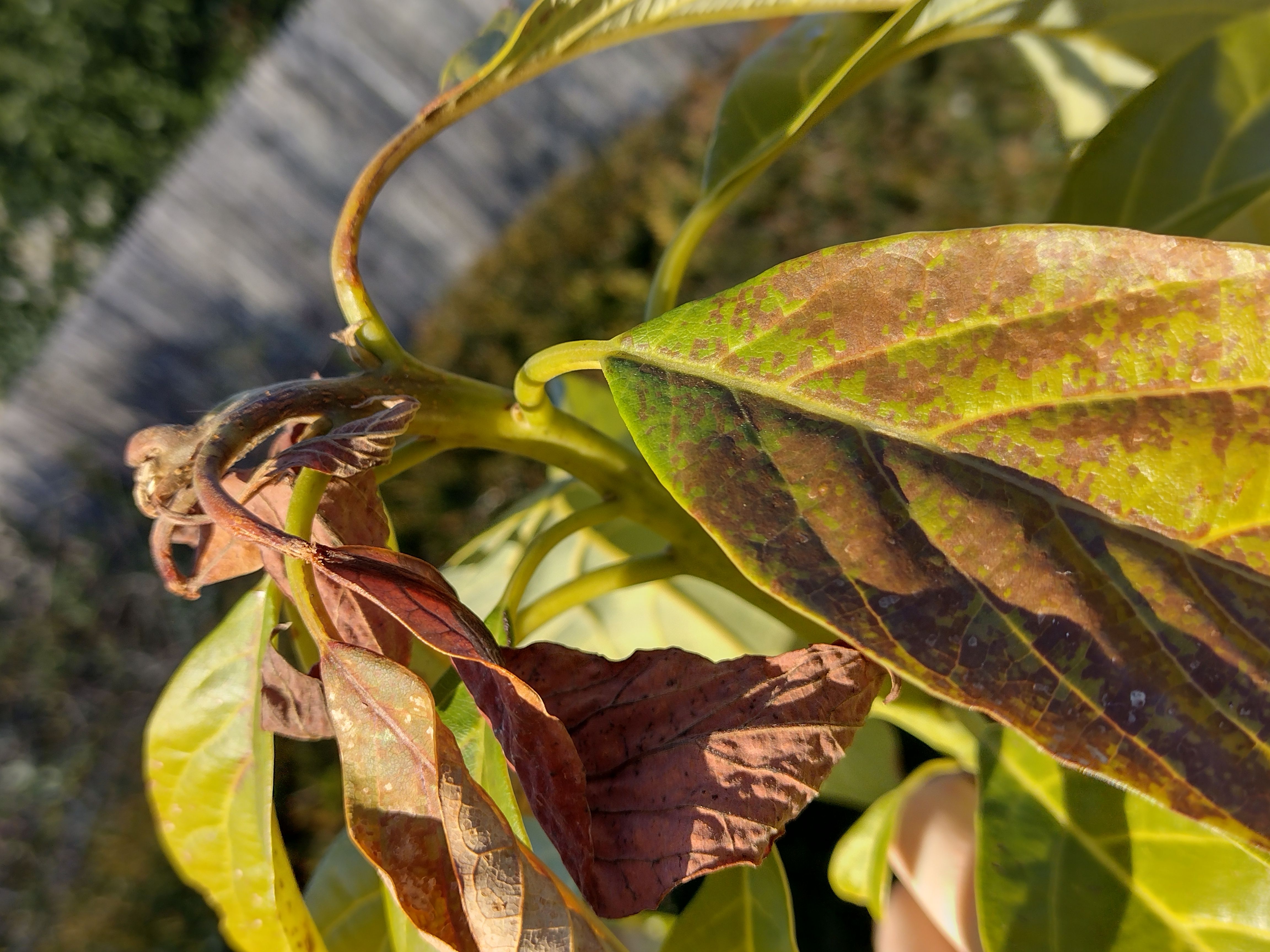
In summary, the results of the freeze were:
- of two young trees that were unprotected but stood close to the house, one suffered a total loss of leaves but the stem seemed healthy and the other seems to have stem damage as well (turned from green to brown and it looks mushy),
- my biggest tree which was covered by a frost cloth and stood close to a water barrel had extensive upper leaf damage and suffered die-back of 2-3 cm on the tallest branch,
- one young tree that stood under a polycarbonate sheet leaning against the house suffered some damage close to the top of the stem, but it’s unclear whether it was the cold or something else (perhaps a combination),
- the rest of the trees under polycarbonate sheets were untouched,
- everything inside the mini greenhouse with a water barrel was untouched.
January and February are typically the coldest months here, so we’re not out of the woods yet by any means. However, it’s encouraging to see that it is feasible to make it through a moderate freeze with some precautions and preparation. It’s clear that the trees are put under stress, but as long as we can pull through the winters they should be able to recover and regrow in spring and summer.